






A Strong Brand Strategy Is Your Operating System for AI

AI finds its way into the patterns of how we work and express ourselves, sometimes so quietly that it becomes part of the background before we notice. There’s a quiet opportunity in pausing to notice which parts of that influence are chosen, and which simply happen as we let systems move forward on their own.
The pace of AI rarely waits for us to catch up, quietly shaping choices in the background. When a brand’s foundation is something lived and felt—when positioning, voice, and values are woven into daily decisions—that speed becomes an advantage, carrying intention forward. Clarity, when present, closes the distance between what you mean and what your systems express, and trust tends to settle in that alignment.
Ethical questions often surface in the subtle details, in the moments when what you intend and what is expressed don’t quite meet. Sometimes it’s a reply that doesn’t sound quite right, or a piece of content that misses the mark, or a visual that feels more like a placeholder than a reflection of choice.
When a team shares a lived sense of identity, momentum builds naturally, and trust tends to stay close as decisions move faster.
AI reflects the choices already present in your brand, drawing from what’s been defined and leaning on the familiar when direction is left open. When positioning, voice, and values are lived and specific, the brand’s presence feels steady, and people tend to gather around that kind of clarity.
Growth brings its own momentum, and technology often accelerates that pace. The work is in keeping values present in every message and every channel, so that as things scale, the details continue to reflect what matters most.
The leaders who move through this well tend to move through with clarity. They’ve put in the work early to define their brand strategy, and that foundation gives them a steady point of reference, even as the pace picks up.
Brand strategy acts as the operating system for your AI, not as an afterthought but as the foundation that shapes every automated decision. It sets the boundaries for what your brand stands for when technology acts in your name. The questions it answers—about principles, language, and where human judgment matters most—are questions of identity, not just of process. These are the conversations to have before any system speaks for you.
Clarity sets the stage, but the work continues as your organization grows. Weaving strategy into every system, every team, every output is what gives it staying power. The choices you make about language, tone, and boundaries become habits, and those habits shape how your brand shows up as you scale. The more these standards are lived, the more resilient your identity becomes, even as technology and teams shift around you.
Operational discipline is what transforms brand strategy from something written into something lived, guiding decisions and shaping the business as it moves forward.
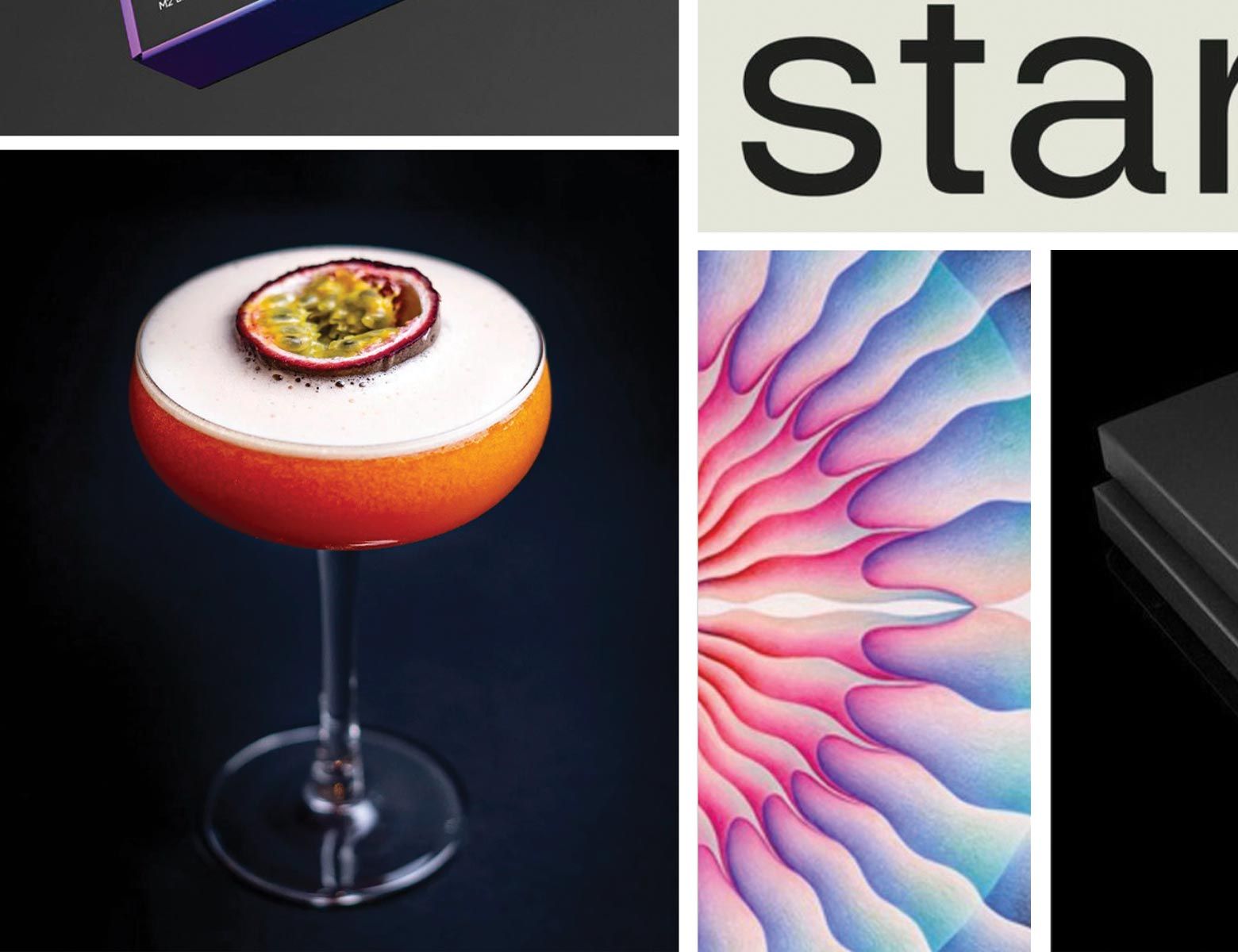
Visual identity often follows the patterns set by AI’s defaults—soft colors, familiar fonts, layouts that feel comfortable but not always distinct. A clear visual strategy gives shape to those choices, allowing the brand’s presence to reflect intention and stand out where trust and authenticity matter. The visuals you choose carry your positioning and values as fully as your words.
Defining your brand’s look and feel before AI enters the picture lays the groundwork for consistency. A visual style guide, a mood board that captures the tone and emotion you want to express, and clear examples of what feels right for your brand all help keep every output aligned. When these standards are set early, AI can amplify your vision and carry it forward.
Brand strategy acts as the layer that keeps reputation steady as momentum builds and attention sharpens. When positioning is clear and values are lived, every output reflects the same belief, and the brand holds steady through change. People tend to notice when a brand is built with intention, and that kind of maturity stands out.
Clarity about ethics can become a source of momentum. Knowing what you stand for and where you draw the line brings a steadiness that people notice. Trust grows from consistency, and loyalty often follows. As the pace and attention increase, clear standards help keep the brand steady.
Ethical clarity sends a message that goes beyond compliance. Trust shapes preference, and preference shapes growth. When ethics are woven into the brand, they become a source of strength.
As AI accelerates and attention sharpens, the difference comes from the strength of the brand strategy behind the tools. The opportunity is to let AI amplify what is already clear about your identity. That work begins before any system launches, grounded in the sense that who you are matters more than what is easy to automate.